
You Say You Want [To Buy The Dip?]
Investing InsightsMarch 2020 will forever represent a defining moment in our country's history, marking the tragic onset of COVID-19 and the completion of the longest, most prosperous bull market in our history (11 years and tripling).1 Perhaps it's fitting then that it ended with the Dow Jones Industrial Average experiencing a 20%+ drop in just one month, our fastest bear market ever.2
As almost each week sets new cyclical lows, it's no surprise that some of my clients are beginning to lose confidence in their investments due to the recent market volatility, while others perceive this as an opportune time to pad their portfolio. If you’re wondering if now is a good time to invest, it might be beneficial to run through the following considerations first... all to the beat of the Beatles (paraphrased) 'Revolution' lyrics running through your head.
Why Invest During a Recession?
Choosing to invest during a market downturn can make a lot of sense - asset prices have fallen hard, meaning those willing to invest now can likely get bonds, stocks, real estate and more for a fraction of what those assets were worth just a few months ago. In other industries, they term this a 'buyer's market," but in mine it seems that some people fear clearance sales and actually prefer to pay full price.
If you had previously established 2020 to be the year you cashed in all your investment chips forever and completely, then this drop will understandably create some anxiety and remorse. For you, when we "talk about [our economy's creative destruction,] don't you know that you can count them out."
But if you do not need all of your money in the next year or so- or even for decade(s)- you could be poised to benefit from this downturn. This is especially true for young or new investors just starting to build and diversify their portfolio- they may have the time and good fortune to watch this economy heal, and their bargain-priced assets to someday regain their value.
Consideration #1: Is My Emergency Fund Fully Stocked?
You say you want a [cheap stock.] Well, you know... We all want to change the world.
With the uncertainty this global pandemic has brought to America, many people are preparing for the worst - job loss, medical bills, or even the unexpected loss of a loved one. The record numbers of Americans filing for unemployment in the last several weeks has been truly horrific. We are still early days into this crisis, but it's worth remembering that during the Great Recession, unemployment had already risen to 5% by the end of 2007 (a year before the Lehman Brothers bankruptcy) and 9 1/2% by summer 2009. Job losses didn't actually peak until after the recession ended, at 10% in October of 2009.2
Even if you believe your job to be secure and stable, it doesn’t mean you’re immune to loss of income during this market downturn. The number of cases of COVID-19 is growing each day, meaning many may need to care for a sick loved one in the near future. Depending on your job’s policy on leave and your eligibility for the recently passed Families First Coronavirus Response Act, this could mean going for an extended period of time without a paycheck or having to quit your job altogether.
Opinions differ but most financial experts suggest having 3-6 months of salary available in a savings account designated as an emergency fund. If you are married and both spouses hold traditionally more reliable jobs (teachers, health care workers or civil servants), I suggest three months may be adequate. If either or both spouses work in occupations with fluctuating income, a full six months of liquidity may be more prudent. Only once that’s taken care of should you consider turning your focus toward investments.
Consideration #2: Would It Be Better to Pay off My Debts?
You ask me [to make] a contribution. Well, you know.. [Are you] doing what you can (with debt?)
In Q4 of 2019, the New York Federal Reserve reported that American household debt rose to $14.15 trillion.3 While the majority of this debt involves mortgage, auto and student loans, this still leaves $46 billion in credit card debt.3 If you find yourself deciding between paying down your debt or investing, there are plenty of factors to review with your trusted financial counsel. Working together, you may decide that paying down debt serves you better than upping your investments. It's the same effect on your net worth, and I've often said the easiest and most reliable way to earn double-digit rates on your money is to stop paying it to "what's in your wallet." Recessions tend to hurt most those with too much leverage and too much overhead.
Consideration #3: Am I Rushing Into This?
But if you want [to invest all on a certain date..] All I can tell you is brother you have to wait
To most, it feels like the market has crashed almost overnight. And it's not hard to find someone predicting a "V-shaped recovery." But it’s important to remember that recessions and downturns tend to stick around for a while, like a bad sunburn. Our last recession, for example, lasted 18 months.4 At this point, I often reference one of my favorite economists, John Maynard Keynes: "The market can stay irrational a lot longer than you can stay solvent."
What this means to an investor eager to jump in is that you have time, grasshopper. Breathe... Huddle with your best-looking financial advisor to lay out all the pros and cons of investing during a market downturn. There’s rarely a need to make a hasty, emotionally-driven decision by tomorrow. While the markets will continue to fluctuate, they’re not recovering overnight. My favorite strategy in times like these is dollar-cost-averaging (DCA), a fancy term for a very simple concept: instead of "betting the house" all at one time, consider dividing your available (non-emergency and long-term) funds into some reasonable duration of month/weeks/quarters and setting up an automatic investment on a periodic schedule. While no guarantee of profit, DCA does offer the following advantages:
- It removes the temptation of market-timing, which is usually a bad idea. Did you time the top of the market?
- It avoids the possibility of being completely right or wrong - you are in effect hedging your bets. If markets go up, you're at least in it. If they do down, you're buying more shares. And if it goes sideways, you're no worse than if you had gone all-in originally. Do you feel lucky? Well do ya, punk? - Dirty Harry
- It can often lower your cost basis in your preferred investment over time. Who doesn't love to lower their cost basis, right?
Consideration #4: Am I Emotionally Prepared to Watch My Money Drop?
You swear you've changed [your inner] constitution. Well, you know.. You'd better free your mind instead.
I always encourage my clients to visualize the stock market like a clock. If 12 o'clock is peak euphoria in the stock market (for instance, 1999 or 2007), then 6 o'clock can feel like peak dysphoria. Think 2002 or 2009. Do you know where on the clock we are today? Probably not, nor does anyone else. Even the best economists usually won't identify the true bottom until many months later. No bell goes off at the top nor the bottom of the market.
Ergo, if you choose to buy while the market is in a downturn, you might be buying at 5 o'clock, or maybe even earlier in the cycle? Only time will tell. This means that you, as an investor, must be prepared for the roller-coaster your investments will likely continue on. While investments are always fluctuating, during an especially volatile period, there’s a good chance you’ll be watching your stocks rise and fall on a downward trend for months to come. Have you made peace with that possibility?
We all have a personal attachment to our money, and it’s important to consider in advance the emotional toll watching your assets drop in value will have on you. If it’s unbearable to watch these fluctuations, then the potential gains may not be worth the emotional toll you have to endure. It’s important to express your concerns about this to your financial advisor before deciding to invest during a market downturn. In my practice, I know how gut-wrenching it can be to hear clients express grief about how hard they worked to earn that money, all the better things they could have done with it, or struggle to understand where their money actually "disappeared" to.
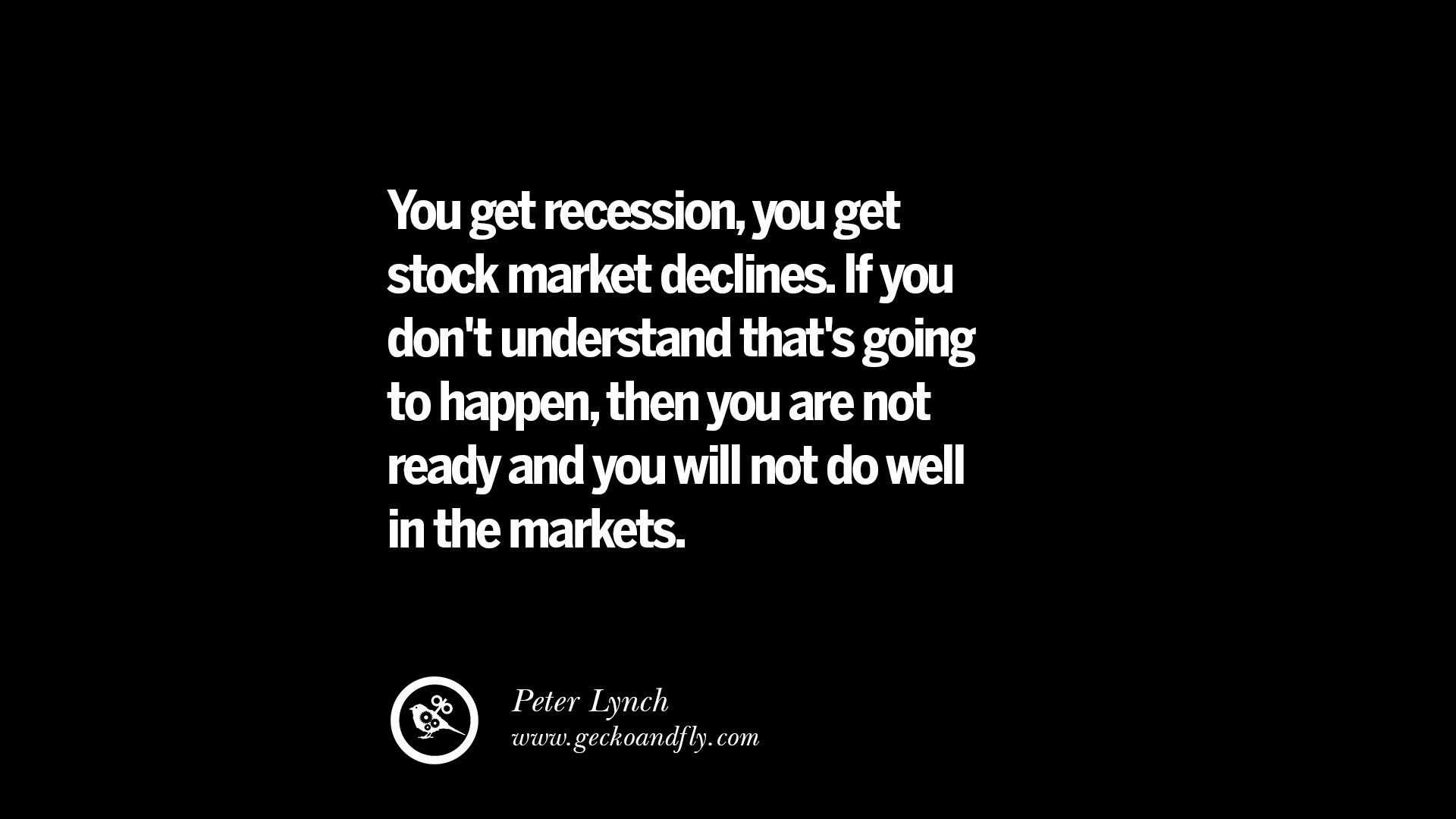
Consideration #5: Am I Still Following My Normal Investment Procedures?
You say you got a real solution. Well, you know.. We'd all love to see the plan
Mike Tyson's famously quipped, "Everybody has a plan until they get punched in the mouth." But don’t treat the tempting prices of investment opportunities as a chance to throw your previous investment strategy out the window. Just because your preferred investment is lower than it was yesterday doesn't mean it won't go lower, sometimes dramatically. The time to develop your investment strategy is when things are calm and stable, not in a sudden change in the markets. At that point, you want to be precise and logistical about the next investment decisions you make.
In addition, you’ll want to work in tandem with your advisor to be sure you’re maintaining diversity and taking on an appropriate amount of risk, the risk you approved of when the investing climate was different. Only then can you be sure that changes in your portfolio still reflect your greater long-term financial goals.
Between the global pandemic of COVID-19 and the economic instability of a recent market downturn, Americans in 2020 are facing a future of unprecedented uncertainty. If you’re in a position to do so, investing now could prove to be quite lucrative for your portfolio over the long-term. But it's important to consider all factors carefully and thoroughly. Now more than ever, be sure to keep your advisor in the loop and consider your next financial decisions carefully as you navigate through these upcoming months.
And please, if for some strange reason you are carrying pictures of Chairman Mao, recognize that "you ain't going to make it with anyone anyhow."
Don't you know it's gonna be alright..Alright, alright..
- https://www.investopedia.com/market-milestones-as-the-bull-market-turns-10-4588903
- https://www.economist.com/finance-and-economics/2020/03/14/entering-a-bear-market
- https://www.bls.gov/spotlight/2012/recession/pdf/recession_bls_spotlight.pdf
- https://www.newyorkfed.org/microeconomics/hhdc.html
- http://www.nber.org/cycles/
This content is developed from sources believed to be providing accurate information, and provided by Twenty Over Ten. It may not be used for the purpose of avoiding any federal tax penalties. Please consult legal or tax professionals for specific information regarding your individual situation. The opinions expressed and material provided are for general information, and should not be considered a solicitation for the purchase or sale of any security.
Investment Advice offered through Strategic Financial Concepts, LLC (SFC), a registered investment advisor.